
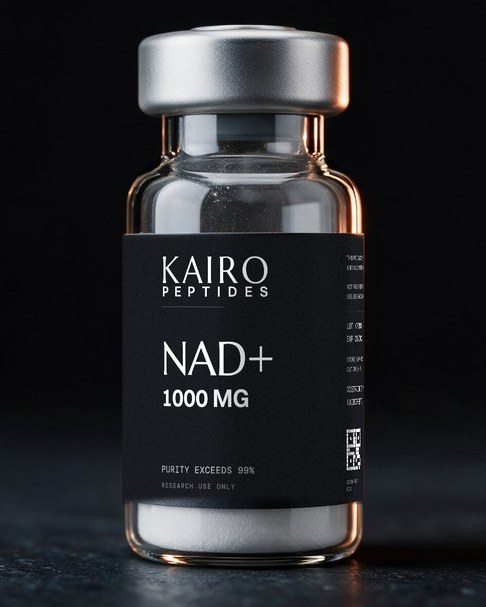
NAD+
1000MGStudied for aging and longevity, cellular energy and mitochondrial function, DNA repair, nerve and brain, blood sugar and metabolic health, and inflammation. Every paper behind those is linked below, positive and negative.
$89.00
- PURITY EXCEEDS 99%
- COA WITH EVERY BATCH
- 3RD-PARTY VERIFIED
| Title | Range | Discount |
|---|---|---|
| Pack tier: NAD+ (KAIRO-NAD-PLUS-1000MG) | 1 - 2 | $89.00 |
| Pack of 3+: 10% off | 3 - 4 | $80.10 |
| Pack of 5+: 15% off | 5 - 9 | $75.65 |
| Pack of 10+: 20% off | 10 + | $71.20 |
For laboratory research use only. Not for human or veterinary use, not for diagnostic or therapeutic use, and not for food or drug manufacture. No preparation or usage guidance is provided anywhere on this page.
Getting in is the hard part.
Almost everything known about raising NAD+ in people comes from studies of the building blocks that make it, because NAD+ itself is taken apart at the cell surface before it can get in.
-
Cellular energy and mitochondrial function
Preclinical strong Convergent results from more than one independent laboratory across more than one experimental system. On this page the strong rows include human randomized trials, and 2 of the 4 report a null result: 'strong' describes how consistent the evidence is, never how good the news is, and never that a benefit in a person has been shown.NAD+ is described in a 2021 review of the field as the coenzyme that carries electrons through the reactions cells use to make energy. In a 12-week human trial with muscle biopsies, an oral building block changed nothing about muscle mitochondria in 40 men.
NAD+ decline with age, and what the field agrees on Skeletal muscle mitochondria in humans (negative result)
-
Aging and longevity
Preclinical moderate A well-described result with several independent outcome measures, but from a single laboratory or a single study design.NAD+ is reported to fall in aging tissue, partly because enzymes like CD38 destroy it faster as animals get older. In mice, a building block given for 12 months kept the animals leaner and more active, and a different building block extended lifespan in aged mice. Both are mouse results, not human ones.
What consumes NAD+ with age: CD38 Senescent cells and CD38-positive macrophages Blocking the NAD+-consuming enzyme (CD38 inhibitor) Mitochondrial and stem cell function, and lifespan, in mice A full year of a precursor in normally aging mice
-
DNA repair
Preclinical moderate A well-described result with several independent outcome measures, but from a single laboratory or a single study design.NAD+ is described in the same review as an essential cofactor for the PARP enzymes, which spend it as they repair DNA. In worms and mice carrying an inherited DNA-repair defect, replenishing NAD+ inside cells reduced the neurological damage and extended their lifespan.
NAD+ decline with age, and what the field agrees on DNA repair and mitophagy in a genetic-defect model
-
Nerve and brain
Preclinical moderate A well-described result with several independent outcome measures, but from a single laboratory or a single study design.NAD+ was measured rising inside the living human brain in a 30-day phase I trial of an oral building block. That is the brain being reached, not anything being improved. In a stressed nerve fiber, NAD+ is reported to be destroyed by a protein called SARM1, and all of that work is preclinical.
Neurological research (a phase I brain trial) Axon degeneration and the SARM1 pathway
-
Blood sugar and metabolic health
Preclinical moderate A well-described result with several independent outcome measures, but from a single laboratory or a single study design.In a 10-week randomized trial, an oral building block raised insulin-stimulated glucose disposal in postmenopausal women whose blood sugar handling was already impaired. That trial drew a published Comment disputing how to read it, so it stays contested rather than settled. In mice, the same building block restored glucose tolerance.
Insulin sensitivity and metabolic research in humans (contested) A precursor in mouse models of impaired blood sugar handling A plant flavonoid as a CD38 inhibitor
-
Inflammation
Preclinical moderate A well-described result with several independent outcome measures, but from a single laboratory or a single study design.NAD+ is reported to drain out of tissue where inflammation is active. In mice, inflammatory cells carrying CD38 gather in belly fat and liver with age and consume it. In 12 aged men, a building block taken for 21 days was followed by a fall in circulating inflammatory markers. That is a blood measurement, not a clinical result.
Senescent cells and CD38-positive macrophages NAD+ metabolome and inflammatory markers in aged human muscle
Every line above describes what was measured in a laboratory. None of it establishes what the compound would do in a person.
Frequently paired with
What shoppers usually add alongside this one
A versatile peptide, studied in research on cell movement and tissue repair.
A recovery-focused blend, studied in research on tissue repair.
A multi-peptide skin blend, studied in research on skin and tissue.
What the research says about pairing these
5-amino-1MQ (an NNMT inhibitor)
5-amino-1MQ is routinely sold and discussed alongside NAD+ in longevity and metabolic research contexts. The rationale offered in that discourse is that blocking NNMT, the enzyme that methylates nicotinamide on its way to being excreted, should leave more nicotinamide available for NAD+ synthesis. That is a claim assembled by stitching 2 separate literatures together, not a finding about the pair.
No published study gives 5-amino-1MQ together with NAD+, in any model. The verification pass behind this page located the primary 5-amino-1MQ pharmacology paper, re-resolved it cleanly, and then removed it from this page precisely because it supports nothing about the combination. The pairing is co-marketed, not jointly validated.
MOTS-c (a mitochondrial-derived peptide)
MOTS-c is sold and discussed alongside NAD+ on the strength of a shared mitochondrial and metabolic framing. That framing is drawn from 2 separate bodies of work, one about each compound.
No study gives MOTS-c and NAD+ together, and none located shows MOTS-c raising NAD+. As with the row above, the primary MOTS-c citation re-resolved cleanly and was still removed, because a sound paper about one compound is not evidence about a pair.
-
Studied for
NAD+ decline with age, and what the field agrees on
A wide-ranging review of the field describes NAD+ as a coenzyme for redox reactions and an essential cofactor for the sirtuin, CD38 and PARP enzyme families, and reports that tissue and cellular NAD+ levels decline gradually with age in multiple model organisms, including rodents and humans. The same review states plainly that much remains to be learned about how NAD+ influences human health and aging, including whether restoring it is safe and whether restoring it would have beneficial effects in aging people. It is a survey of other people's work, not an experiment. a review article covering laboratory, animal and some human data; not itself a study Preclinical strong Convergent results from more than one independent laboratory across more than one experimental system. On this page the strong rows include human randomized trials, and 2 of the 4 report a null result: 'strong' describes how consistent the evidence is, never how good the news is, and never that a benefit in a person has been shown. Open for the full finding and the paper it came from.In the literatureNAD+ decline with age, and what the field agrees on
A wide-ranging review of the field describes NAD+ as a coenzyme for redox reactions and an essential cofactor for the sirtuin, CD38 and PARP enzyme families, and reports that tissue and cellular NAD+ levels decline gradually with age in multiple model organisms, including rodents and humans. The same review states plainly that much remains to be learned about how NAD+ influences human health and aging, including whether restoring it is safe and whether restoring it would have beneficial effects in aging people. It is a survey of other people's work, not an experiment.References 1
Modela review article covering laboratory, animal and some human data; not itself a study
-
Studied for
Raising whole-blood NAD+ in humans
In 140 healthy but overweight adults aged 40 to 60, 8 weeks of oral nicotinamide riboside raised whole-blood NAD+ in proportion to how much was taken. At 2 weeks the 3 ascending arms were up 22 plus or minus 9 percent, 51 plus or minus 7 percent and 142 plus or minus 14 percent against their own baselines. At 8 weeks the 2 higher arms held at about 48 and 139 percent, while the lowest arm had slipped back to about 10 percent and was similar to placebo. There were no reports of flushing and no significant difference in adverse events between the precursor and placebo groups or between arms. This is the study that establishes the blood biomarker genuinely moves in people by the precursor route, and it says nothing about what that movement does. Disclosure: the trial was funded by the company that makes the branded ingredient tested; 2 authors are its employees and a third is the inventor of intellectual property licensed to it and serves as its chief scientific adviser. human randomized, double-blind, placebo-controlled parallel trial; precursor route, not NAD+ itself Preclinical strong Convergent results from more than one independent laboratory across more than one experimental system. On this page the strong rows include human randomized trials, and 2 of the 4 report a null result: 'strong' describes how consistent the evidence is, never how good the news is, and never that a benefit in a person has been shown. Open for the full finding and the paper it came from.In the literatureRaising whole-blood NAD+ in humans
In 140 healthy but overweight adults aged 40 to 60, 8 weeks of oral nicotinamide riboside raised whole-blood NAD+ in proportion to how much was taken. At 2 weeks the 3 ascending arms were up 22 plus or minus 9 percent, 51 plus or minus 7 percent and 142 plus or minus 14 percent against their own baselines. At 8 weeks the 2 higher arms held at about 48 and 139 percent, while the lowest arm had slipped back to about 10 percent and was similar to placebo. There were no reports of flushing and no significant difference in adverse events between the precursor and placebo groups or between arms. This is the study that establishes the blood biomarker genuinely moves in people by the precursor route, and it says nothing about what that movement does. Disclosure: the trial was funded by the company that makes the branded ingredient tested; 2 authors are its employees and a third is the inventor of intellectual property licensed to it and serves as its chief scientific adviser.References 2
Modelhuman randomized, double-blind, placebo-controlled parallel trial; precursor route, not NAD+ itself
-
Studied for
Skeletal muscle mass and function in older adults (negative result)
Researchers gathered 10 randomized controlled trials in adults whose mean ages ranged from 60.9 to 83 years, 6 testing NMN and 4 testing nicotinamide riboside. The statistical pooling was performed for the NMN trials against placebo only, and it found no significant effect on skeletal muscle index, grip strength, gait speed, or the 5-time chair-stand test. Those null results held in sensitivity analyses that excluded trials at high risk of bias and trials in people whose blood sugar handling was already impaired. The 4 nicotinamide riboside trials were not pooled for any outcome and were described narratively instead: 1 signal was positive, a longer 6-minute walking distance in a trial run in adults with impaired blood flow to the legs, while in a trial run in adults with early cognitive impairment the placebo group did better on the short physical performance battery and the chair-stand test. The authors' overall conclusion is that current evidence does not support either compound for preserving muscle mass and function in adults with a mean age over 60. It is on this page deliberately, as the counterweight to the rodent muscle literature below. systematic review and meta-analysis of human randomized controlled trials; precursor route Preclinical strong Convergent results from more than one independent laboratory across more than one experimental system. On this page the strong rows include human randomized trials, and 2 of the 4 report a null result: 'strong' describes how consistent the evidence is, never how good the news is, and never that a benefit in a person has been shown. Open for the full finding and the paper it came from.In the literatureSkeletal muscle mass and function in older adults (negative result)
Researchers gathered 10 randomized controlled trials in adults whose mean ages ranged from 60.9 to 83 years, 6 testing NMN and 4 testing nicotinamide riboside. The statistical pooling was performed for the NMN trials against placebo only, and it found no significant effect on skeletal muscle index, grip strength, gait speed, or the 5-time chair-stand test. Those null results held in sensitivity analyses that excluded trials at high risk of bias and trials in people whose blood sugar handling was already impaired. The 4 nicotinamide riboside trials were not pooled for any outcome and were described narratively instead: 1 signal was positive, a longer 6-minute walking distance in a trial run in adults with impaired blood flow to the legs, while in a trial run in adults with early cognitive impairment the placebo group did better on the short physical performance battery and the chair-stand test. The authors' overall conclusion is that current evidence does not support either compound for preserving muscle mass and function in adults with a mean age over 60. It is on this page deliberately, as the counterweight to the rodent muscle literature below.References 3
Modelsystematic review and meta-analysis of human randomized controlled trials; precursor route
-
Studied for
Skeletal muscle mitochondria in humans (negative result)
40 middle-aged, obese, insulin-resistant men took nicotinamide riboside or placebo for 12 weeks, with muscle biopsies before and after. NAD+ levels in muscle did not change. Neither did the mitochondria's respiratory capacity, their abundance, or their shape and network structure. One protein of the NAD+ manufacturing pathway, NAMPT, actually fell by about 14 percent. The authors state that their data do not support the hypothesis carried over from rodent work. human randomized, placebo-controlled trial with muscle biopsies; precursor route Preclinical strong Convergent results from more than one independent laboratory across more than one experimental system. On this page the strong rows include human randomized trials, and 2 of the 4 report a null result: 'strong' describes how consistent the evidence is, never how good the news is, and never that a benefit in a person has been shown. Open for the full finding and the paper it came from.In the literatureSkeletal muscle mitochondria in humans (negative result)
40 middle-aged, obese, insulin-resistant men took nicotinamide riboside or placebo for 12 weeks, with muscle biopsies before and after. NAD+ levels in muscle did not change. Neither did the mitochondria's respiratory capacity, their abundance, or their shape and network structure. One protein of the NAD+ manufacturing pathway, NAMPT, actually fell by about 14 percent. The authors state that their data do not support the hypothesis carried over from rodent work.References 4
Modelhuman randomized, placebo-controlled trial with muscle biopsies; precursor route
-
Studied for
What consumes NAD+ with age: CD38
In mice, an enzyme called CD38 that breaks NAD+ apart becomes more abundant and more active as the animals age. Removing CD38 prevented the age-related fall in NAD+ and the mitochondrial dysfunction that came with it, through a route involving the protein SIRT3. The same enzyme turned out to be the main one destroying the NAD+ building block NMN inside a living animal. In plain terms, part of the age-related loss looks like faster destruction rather than only slower manufacture. mouse studies, including enzyme activity measured in living animals Preclinical moderate A well-described result with several independent outcome measures, but from a single laboratory or a single study design. Open for the full finding and the paper it came from.In the literatureWhat consumes NAD+ with age: CD38
In mice, an enzyme called CD38 that breaks NAD+ apart becomes more abundant and more active as the animals age. Removing CD38 prevented the age-related fall in NAD+ and the mitochondrial dysfunction that came with it, through a route involving the protein SIRT3. The same enzyme turned out to be the main one destroying the NAD+ building block NMN inside a living animal. In plain terms, part of the age-related loss looks like faster destruction rather than only slower manufacture.References 5
Modelmouse studies, including enzyme activity measured in living animals
-
Studied for
Senescent cells and CD38-positive macrophages
In mice, inflammatory macrophages carrying high levels of CD38 accumulate in visceral belly fat and liver during aging and during acute inflammation, and their CD38-driven enzyme activity lowers NAD+ in the surrounding tissue. Senescent cells, meaning old cells that stop dividing but keep signaling, build up in the same tissues, and the inflammatory signals they secrete drive macrophages to multiply and switch CD38 on. This is a second and independent line of work arriving at the same enzyme. mouse studies plus work on isolated macrophages Preclinical moderate A well-described result with several independent outcome measures, but from a single laboratory or a single study design. Open for the full finding and the paper it came from.In the literatureSenescent cells and CD38-positive macrophages
In mice, inflammatory macrophages carrying high levels of CD38 accumulate in visceral belly fat and liver during aging and during acute inflammation, and their CD38-driven enzyme activity lowers NAD+ in the surrounding tissue. Senescent cells, meaning old cells that stop dividing but keep signaling, build up in the same tissues, and the inflammatory signals they secrete drive macrophages to multiply and switch CD38 on. This is a second and independent line of work arriving at the same enzyme.References 6
Modelmouse studies plus work on isolated macrophages
-
Studied for
Blocking the NAD+-consuming enzyme (CD38 inhibitor)
A purpose-built laboratory molecule called 78c that blocks CD38 specifically was given to mice. The authors reported that it reversed the age-related fall in tissue NAD+ and improved glucose tolerance, muscle function, exercise capacity and heart function in models of both normal and accelerated aging. Those effects depended on tissue NAD+ levels and were reversed when NAD+ synthesis was blocked, which ties the result back to NAD+ itself. 78c is a research compound, not a consumer ingredient, and none of this was tested in people. mouse studies (natural and accelerated aging models) Preclinical moderate A well-described result with several independent outcome measures, but from a single laboratory or a single study design. Open for the full finding and the paper it came from.In the literatureBlocking the NAD+-consuming enzyme (CD38 inhibitor)
A purpose-built laboratory molecule called 78c that blocks CD38 specifically was given to mice. The authors reported that it reversed the age-related fall in tissue NAD+ and improved glucose tolerance, muscle function, exercise capacity and heart function in models of both normal and accelerated aging. Those effects depended on tissue NAD+ levels and were reversed when NAD+ synthesis was blocked, which ties the result back to NAD+ itself. 78c is a research compound, not a consumer ingredient, and none of this was tested in people.References 7
Modelmouse studies (natural and accelerated aging models)
-
Studied for
Extracellular NAD+ handling (why route matters)
Human aortic valve and vessel tissue was studied outside the body. NAD+ placed outside cells was broken down right at the cell surface by enzymes including CD73 and NAD+-glycohydrolase CD38, with alkaline phosphatase and eNPP1 also contributing. In calcified valve tissue, CD73 activity had fallen and CD38 became the dominant breakdown route, and tissue from those donors broke NAD+ down significantly faster than control tissue. Work using specific inhibitors and CD73-knockout mice confirmed that CD38 makes a significant contribution. This is the practical reason the distinction between NAD+ itself and its building blocks matters when reading everything else on this page: of the 12 human trials cited here in which people received something, only 2 gave NAD+ itself, and every other one used a precursor. human aortic valve and vessel tissue studied outside the body, plus knockout mice Preclinical moderate A well-described result with several independent outcome measures, but from a single laboratory or a single study design. Open for the full finding and the paper it came from.In the literatureExtracellular NAD+ handling (why route matters)
Human aortic valve and vessel tissue was studied outside the body. NAD+ placed outside cells was broken down right at the cell surface by enzymes including CD73 and NAD+-glycohydrolase CD38, with alkaline phosphatase and eNPP1 also contributing. In calcified valve tissue, CD73 activity had fallen and CD38 became the dominant breakdown route, and tissue from those donors broke NAD+ down significantly faster than control tissue. Work using specific inhibitors and CD73-knockout mice confirmed that CD38 makes a significant contribution. This is the practical reason the distinction between NAD+ itself and its building blocks matters when reading everything else on this page: of the 12 human trials cited here in which people received something, only 2 gave NAD+ itself, and every other one used a precursor.References 8
Modelhuman aortic valve and vessel tissue studied outside the body, plus knockout mice
-
Studied for
NAD+ metabolome and inflammatory markers in aged human muscle
12 aged men took oral nicotinamide riboside for 21 days in a placebo-controlled, randomized, double-blind crossover trial. Careful measurement showed the precursor did reach muscle and raised the muscle NAD+ metabolome, visible as increased nicotinic acid adenine dinucleotide and nicotinamide clearance products. Gene-expression analysis of the muscle showed energy-metabolism and mitochondria pathways turned down, with no change in how the mitochondria actually performed, and levels of circulating inflammatory signaling molecules fell. The authors' own conclusion is about availability to aged muscle and a signature in those circulating markers, which is a biomarker and not a clinical result. This is not a performance result. Disclosure: one author is the inventor of patents licensed by the ingredient company, owns stock in it, and serves as an adviser to it. human randomized, double-blind, placebo-controlled crossover trial, 12 aged men; precursor route Preclinical moderate A well-described result with several independent outcome measures, but from a single laboratory or a single study design. Open for the full finding and the paper it came from.In the literatureNAD+ metabolome and inflammatory markers in aged human muscle
12 aged men took oral nicotinamide riboside for 21 days in a placebo-controlled, randomized, double-blind crossover trial. Careful measurement showed the precursor did reach muscle and raised the muscle NAD+ metabolome, visible as increased nicotinic acid adenine dinucleotide and nicotinamide clearance products. Gene-expression analysis of the muscle showed energy-metabolism and mitochondria pathways turned down, with no change in how the mitochondria actually performed, and levels of circulating inflammatory signaling molecules fell. The authors' own conclusion is about availability to aged muscle and a signature in those circulating markers, which is a biomarker and not a clinical result. This is not a performance result. Disclosure: one author is the inventor of patents licensed by the ingredient company, owns stock in it, and serves as an adviser to it.References 9
Modelhuman randomized, double-blind, placebo-controlled crossover trial, 12 aged men; precursor route
-
Studied for
Cardiovascular measures in humans
30 healthy adults aged 55 to 79 were randomized into a 6-week crossover trial of nicotinamide riboside against placebo, and 24 completed it. The precursor was well tolerated, with no serious adverse events; the reported side effects were mild and occurred in both the precursor and the placebo phases. It raised NAD+ in circulating immune cells by roughly 60 percent compared with placebo. Signals on systolic blood pressure and aortic stiffness were exploratory only, and the authors themselves presented them as the most promising hypotheses for future larger trials rather than as results. The tolerability and the NAD+ rise are what this trial actually establishes. The authors declared no competing interests. human randomized, double-blind, placebo-controlled crossover trial; precursor route Preclinical moderate A well-described result with several independent outcome measures, but from a single laboratory or a single study design. Open for the full finding and the paper it came from.In the literatureCardiovascular measures in humans
30 healthy adults aged 55 to 79 were randomized into a 6-week crossover trial of nicotinamide riboside against placebo, and 24 completed it. The precursor was well tolerated, with no serious adverse events; the reported side effects were mild and occurred in both the precursor and the placebo phases. It raised NAD+ in circulating immune cells by roughly 60 percent compared with placebo. Signals on systolic blood pressure and aortic stiffness were exploratory only, and the authors themselves presented them as the most promising hypotheses for future larger trials rather than as results. The tolerability and the NAD+ rise are what this trial actually establishes. The authors declared no competing interests.References 10
Modelhuman randomized, double-blind, placebo-controlled crossover trial; precursor route
-
Studied for
Insulin sensitivity and metabolic research in humans (contested)
In a 10-week randomized, placebo-controlled, double-blind trial, postmenopausal women who were overweight or obese and whose blood sugar handling was already impaired took the building block NMN. Insulin-stimulated glucose disposal, measured with the clamp technique that is the reference standard for this question, increased, as did insulin signaling in muscle, while nothing changed on placebo. The result drew a published Comment in the same journal disputing the interpretation, and the authors replied, so it belongs on any honest page as contested rather than settled. human randomized, double-blind, placebo-controlled trial; precursor route Preclinical moderate A well-described result with several independent outcome measures, but from a single laboratory or a single study design. Open for the full finding and the paper it came from.In the literatureInsulin sensitivity and metabolic research in humans (contested)
In a 10-week randomized, placebo-controlled, double-blind trial, postmenopausal women who were overweight or obese and whose blood sugar handling was already impaired took the building block NMN. Insulin-stimulated glucose disposal, measured with the clamp technique that is the reference standard for this question, increased, as did insulin signaling in muscle, while nothing changed on placebo. The result drew a published Comment in the same journal disputing the interpretation, and the authors replied, so it belongs on any honest page as contested rather than settled.References 11, 12
Modelhuman randomized, double-blind, placebo-controlled trial; precursor route
-
Studied for
Neurological research (a phase I brain trial)
30 adults with a newly diagnosed neurological condition, none of them yet on medication for it, received nicotinamide riboside or placebo for 30 days in a double-blinded phase I trial. It was well tolerated and raised NAD+ in the brain, measured non-invasively by phosphorus magnetic resonance spectroscopy, though the size of the increase varied considerably between individuals. The people whose brain NAD+ rose showed altered brain metabolism on PET scanning, and that was associated with mild clinical improvement. A phase I trial is designed to test safety and whether a compound reaches its target, not whether it works, and the authors call for larger trials. What this row establishes is that a precursor can raise NAD+ inside a living human brain. human phase I randomized double-blinded trial; precursor route Preclinical moderate A well-described result with several independent outcome measures, but from a single laboratory or a single study design. Open for the full finding and the paper it came from.In the literatureNeurological research (a phase I brain trial)
30 adults with a newly diagnosed neurological condition, none of them yet on medication for it, received nicotinamide riboside or placebo for 30 days in a double-blinded phase I trial. It was well tolerated and raised NAD+ in the brain, measured non-invasively by phosphorus magnetic resonance spectroscopy, though the size of the increase varied considerably between individuals. The people whose brain NAD+ rose showed altered brain metabolism on PET scanning, and that was associated with mild clinical improvement. A phase I trial is designed to test safety and whether a compound reaches its target, not whether it works, and the authors call for larger trials. What this row establishes is that a precursor can raise NAD+ inside a living human brain.References 13
Modelhuman phase I randomized double-blinded trial; precursor route
-
Studied for
A precursor plus pterostilbene: the blood biomarker
A branded combination of nicotinamide riboside and pterostilbene was tested against placebo in 120 healthy adults aged 60 to 80 for 8 weeks, in 3 arms: placebo, a lower amount and double that amount. Whole-blood NAD+ rose in proportion to the amount taken, by approximately 40 percent in the lower-amount arm and approximately 90 percent in the higher-amount arm at 4 weeks compared with both placebo and baseline, and the rise held across the full 8 weeks. NAD+ did not rise in the placebo group. No serious adverse events were reported. Disclosure: the product is sold by the company that funded the trial, and 6 of the 7 authors are its employees who all own shares in it, although the trial data were collected independently by a contract research organization. human randomized, double-blind, placebo-controlled trial; precursor combination, not NAD+ itself Preclinical moderate A well-described result with several independent outcome measures, but from a single laboratory or a single study design. Open for the full finding and the paper it came from.In the literatureA precursor plus pterostilbene: the blood biomarker
A branded combination of nicotinamide riboside and pterostilbene was tested against placebo in 120 healthy adults aged 60 to 80 for 8 weeks, in 3 arms: placebo, a lower amount and double that amount. Whole-blood NAD+ rose in proportion to the amount taken, by approximately 40 percent in the lower-amount arm and approximately 90 percent in the higher-amount arm at 4 weeks compared with both placebo and baseline, and the rise held across the full 8 weeks. NAD+ did not rise in the placebo group. No serious adverse events were reported. Disclosure: the product is sold by the company that funded the trial, and 6 of the 7 authors are its employees who all own shares in it, although the trial data were collected independently by a contract research organization.References 14
Modelhuman randomized, double-blind, placebo-controlled trial; precursor combination, not NAD+ itself
-
Studied for
The same combination measured against a clinical endpoint (liver fat)
The same nicotinamide riboside and pterostilbene combination was given for 6 months to 111 adults whose livers carried excess fat, again in 3 arms. It missed its primary endpoint: the paper reports that 'no significant change was seen in the primary endpoint of hepatic fat fraction with respect to placebo'. Among prespecified secondary measures, the liver enzymes ALT and GGT and the toxic lipid ceramide 14:0 fell against placebo in the lower-amount arm, and that effect did not scale with the higher amount. The combination appeared safe and well tolerated. The honest reading is a missed primary endpoint with secondary signals, and it is reported that way here. human randomized, double-blind, placebo-controlled trial; precursor combination Preclinical moderate A well-described result with several independent outcome measures, but from a single laboratory or a single study design. Open for the full finding and the paper it came from.In the literatureThe same combination measured against a clinical endpoint (liver fat)
The same nicotinamide riboside and pterostilbene combination was given for 6 months to 111 adults whose livers carried excess fat, again in 3 arms. It missed its primary endpoint: the paper reports that 'no significant change was seen in the primary endpoint of hepatic fat fraction with respect to placebo'. Among prespecified secondary measures, the liver enzymes ALT and GGT and the toxic lipid ceramide 14:0 fell against placebo in the lower-amount arm, and that effect did not scale with the higher amount. The combination appeared safe and well tolerated. The honest reading is a missed primary endpoint with secondary signals, and it is reported that way here.References 15
Modelhuman randomized, double-blind, placebo-controlled trial; precursor combination
-
Studied for
The same combination measured against muscle recovery
32 elderly people took the same nicotinamide riboside and pterostilbene combination or a matched placebo, and 2 weeks later had muscle injury induced experimentally, with muscle biopsies taken before, 2 hours after, and 2, 8 and 30 days after the injury. The injury was substantial and clearly called muscle stem cells into action, but the supplement did not improve stem cell recruitment or any other measure of muscle recovery or subsequent regeneration. The authors describe the supplement as safe but ineffective for this purpose. This trial was funded by a public research foundation rather than by the product's maker. human randomized, placebo-controlled trial with repeated muscle biopsies; precursor combination Preclinical moderate A well-described result with several independent outcome measures, but from a single laboratory or a single study design. Open for the full finding and the paper it came from.In the literatureThe same combination measured against muscle recovery
32 elderly people took the same nicotinamide riboside and pterostilbene combination or a matched placebo, and 2 weeks later had muscle injury induced experimentally, with muscle biopsies taken before, 2 hours after, and 2, 8 and 30 days after the injury. The injury was substantial and clearly called muscle stem cells into action, but the supplement did not improve stem cell recruitment or any other measure of muscle recovery or subsequent regeneration. The authors describe the supplement as safe but ineffective for this purpose. This trial was funded by a public research foundation rather than by the product's maker.References 16
Modelhuman randomized, placebo-controlled trial with repeated muscle biopsies; precursor combination
-
Studied for
Mitochondrial and stem cell function, and lifespan, in mice
Aged mice were given the NAD+ precursor nicotinamide riboside. The authors reported that muscle stem cells were rejuvenated, that senescence of neural and pigment-producing stem cells was delayed, and that the mice given it lived longer. Lifespan extension here is a mouse result and does not transfer to any statement about people. aged mice, plus a genetic mouse model of muscle degeneration; the precursor was used, not NAD+ itself Preclinical moderate A well-described result with several independent outcome measures, but from a single laboratory or a single study design. Open for the full finding and the paper it came from.In the literatureMitochondrial and stem cell function, and lifespan, in mice
Aged mice were given the NAD+ precursor nicotinamide riboside. The authors reported that muscle stem cells were rejuvenated, that senescence of neural and pigment-producing stem cells was delayed, and that the mice given it lived longer. Lifespan extension here is a mouse result and does not transfer to any statement about people.References 17
Modelaged mice, plus a genetic mouse model of muscle degeneration; the precursor was used, not NAD+ itself
-
Studied for
A full year of a precursor in normally aging mice
Ordinary wild-type mice were given the NAD+ building block NMN for 12 months during normal aging. The authors reported that it was quickly converted into NAD+ in tissues, and that the animals given it gained less weight with age, were more physically active, handled insulin and blood fats better, and had better eye function, without obvious toxicity at the amounts tested. This is a long, well-designed mouse study, and it is still a mouse study. 12-month mouse study in wild-type C57BL/6N animals; precursor route Preclinical moderate A well-described result with several independent outcome measures, but from a single laboratory or a single study design. Open for the full finding and the paper it came from.In the literatureA full year of a precursor in normally aging mice
Ordinary wild-type mice were given the NAD+ building block NMN for 12 months during normal aging. The authors reported that it was quickly converted into NAD+ in tissues, and that the animals given it gained less weight with age, were more physically active, handled insulin and blood fats better, and had better eye function, without obvious toxicity at the amounts tested. This is a long, well-designed mouse study, and it is still a mouse study.References 18
Model12-month mouse study in wild-type C57BL/6N animals; precursor route
-
Studied for
A precursor in mouse models of impaired blood sugar handling
In mice whose blood sugar handling was impaired either by a high-fat diet or by age, the cellular machinery for making NAD+ was itself impaired in metabolic organs. Giving the building block NMN restored NAD+ levels and improved glucose tolerance, liver insulin sensitivity, and blood fat profiles, partly through the protein SIRT1. This mouse work is the groundwork on which the later human NMN trial was built. diet-induced and age-induced mouse models of impaired blood sugar handling; precursor route Preclinical moderate A well-described result with several independent outcome measures, but from a single laboratory or a single study design. Open for the full finding and the paper it came from.In the literatureA precursor in mouse models of impaired blood sugar handling
In mice whose blood sugar handling was impaired either by a high-fat diet or by age, the cellular machinery for making NAD+ was itself impaired in metabolic organs. Giving the building block NMN restored NAD+ levels and improved glucose tolerance, liver insulin sensitivity, and blood fat profiles, partly through the protein SIRT1. This mouse work is the groundwork on which the later human NMN trial was built.References 19
Modeldiet-induced and age-induced mouse models of impaired blood sugar handling; precursor route
-
Studied for
DNA repair and mitophagy in a genetic-defect model
In worms and mice carrying an inherited DNA-repair defect, cells showed low NAD+ and mitochondrial dysfunction. Replenishing NAD+ inside those cells reduced the severity of the neurological damage, normalized neuromuscular function, delayed memory loss and extended lifespan in both animal models, with the effect traced to better DNA repair and to mitophagy, the process by which a cell clears out damaged mitochondria. This is a model of a rare inherited defect, named in the citation below, and not healthy animals. C. elegans worms and mice carrying a specific genetic defect Preclinical moderate A well-described result with several independent outcome measures, but from a single laboratory or a single study design. Open for the full finding and the paper it came from.In the literatureDNA repair and mitophagy in a genetic-defect model
In worms and mice carrying an inherited DNA-repair defect, cells showed low NAD+ and mitochondrial dysfunction. Replenishing NAD+ inside those cells reduced the severity of the neurological damage, normalized neuromuscular function, delayed memory loss and extended lifespan in both animal models, with the effect traced to better DNA repair and to mitophagy, the process by which a cell clears out damaged mitochondria. This is a model of a rare inherited defect, named in the citation below, and not healthy animals.References 20
ModelC. elegans worms and mice carrying a specific genetic defect
-
Studied for
De novo NAD+ synthesis as a separate lever (ACMSD)
Cells can also build NAD+ from scratch, and an enzyme called ACMSD limits how much of it they make. Blocking ACMSD, either genetically or with purpose-built compounds, raised from-scratch NAD+ production and sirtuin 1 activity and improved mitochondrial function, through a mechanism that held in both worms and mice. Because ACMSD is present mostly in kidney and liver, the authors framed this as a tissue-targeted approach. Disclosure: the paper's own competing-interests statement records that authors are inventors on ACMSD-inhibitor patents and that several are employed by the company that developed the compounds. C. elegans worms and mice Preclinical moderate A well-described result with several independent outcome measures, but from a single laboratory or a single study design. Open for the full finding and the paper it came from.In the literatureDe novo NAD+ synthesis as a separate lever (ACMSD)
Cells can also build NAD+ from scratch, and an enzyme called ACMSD limits how much of it they make. Blocking ACMSD, either genetically or with purpose-built compounds, raised from-scratch NAD+ production and sirtuin 1 activity and improved mitochondrial function, through a mechanism that held in both worms and mice. Because ACMSD is present mostly in kidney and liver, the authors framed this as a tissue-targeted approach. Disclosure: the paper's own competing-interests statement records that authors are inventors on ACMSD-inhibitor patents and that several are employed by the company that developed the compounds.References 21
ModelC. elegans worms and mice
-
Studied for
Cardiac research
Failing hearts showed a characteristic shift in the enzymes that build NAD+, and the same shift appeared in biopsy tissue from human failing hearts as well as in the mouse models. NAD+ fell by about 30 percent in the failing mouse heart. Adding the precursor nicotinamide riboside to the food of those mice stabilized heart NAD+ levels and slowed the loss of heart function, most clearly in one of the 2 mouse models tested, which the citation below names. The human part of this study is tissue analysis only; no person received anything. 2 mouse models of failing heart function, plus analysis of human failing-heart biopsy tissue; only the mice received anything Preclinical moderate A well-described result with several independent outcome measures, but from a single laboratory or a single study design. Open for the full finding and the paper it came from.In the literatureCardiac research
Failing hearts showed a characteristic shift in the enzymes that build NAD+, and the same shift appeared in biopsy tissue from human failing hearts as well as in the mouse models. NAD+ fell by about 30 percent in the failing mouse heart. Adding the precursor nicotinamide riboside to the food of those mice stabilized heart NAD+ levels and slowed the loss of heart function, most clearly in one of the 2 mouse models tested, which the citation below names. The human part of this study is tissue analysis only; no person received anything.References 22
Model2 mouse models of failing heart function, plus analysis of human failing-heart biopsy tissue; only the mice received anything
-
Studied for
A plant flavonoid as a CD38 inhibitor
Working first in cultured cells and then in obese mice, researchers characterized 2 plant flavonoids, quercetin and apigenin, as inhibitors of CD38. Blocking CD38 pharmacologically raised NAD+ inside cells and reduced overall protein acetylation. Giving apigenin to obese mice raised NAD+, decreased protein acetylation, and improved several aspects of glucose and fat handling. This is cell and mouse work; nothing here was tested in people, and apigenin is not NAD+. cultured cells and obese mice Preclinical moderate A well-described result with several independent outcome measures, but from a single laboratory or a single study design. Open for the full finding and the paper it came from.In the literatureA plant flavonoid as a CD38 inhibitor
Working first in cultured cells and then in obese mice, researchers characterized 2 plant flavonoids, quercetin and apigenin, as inhibitors of CD38. Blocking CD38 pharmacologically raised NAD+ inside cells and reduced overall protein acetylation. Giving apigenin to obese mice raised NAD+, decreased protein acetylation, and improved several aspects of glucose and fat handling. This is cell and mouse work; nothing here was tested in people, and apigenin is not NAD+.References 23
Modelcultured cells and obese mice
-
Studied for
Axon degeneration and the SARM1 pathway
A review describes SARM1, a protein whose TIR domain splits NAD+ apart and which switches on in response to injury or stress to a nerve fiber. That NAD+ destruction is what drives the fiber to degenerate, and SARM1 sitting on the outer mitochondrial membrane links it to mitochondrial dysfunction as well. The review surveys genetic and drug studies implicating SARM1 across peripheral and central nervous system disorders and the small molecules being developed against it. Everything described is preclinical. review of laboratory and animal studies Preclinical moderate A well-described result with several independent outcome measures, but from a single laboratory or a single study design. Open for the full finding and the paper it came from.In the literatureAxon degeneration and the SARM1 pathway
A review describes SARM1, a protein whose TIR domain splits NAD+ apart and which switches on in response to injury or stress to a nerve fiber. That NAD+ destruction is what drives the fiber to degenerate, and SARM1 sitting on the outer mitochondrial membrane links it to mitochondrial dysfunction as well. The review surveys genetic and drug studies implicating SARM1 across peripheral and central nervous system disorders and the small molecules being developed against it. Everything described is preclinical.References 24
Modelreview of laboratory and animal studies
-
Studied for
Human pharmacokinetics of intravenous NAD+ (the compound itself, not a precursor)
11 healthy men took part in a small pilot study: 8 received NAD+ intravenously over 6 hours and 3 received saline, with blood and urine sampled throughout. Nothing moved in the blood for the first 2 hours. The authors concluded that at that infusion rate NAD+ was being cleared from the bloodstream as fast as it arrived. By the 6-hour end of the infusion, plasma NAD+ had risen sharply, about 398 percent above baseline, and NAD+ and methylnicotinamide, though not nicotinamide, were being excreted in urine. The pattern of breakdown products matched the action of NAD+-splitting enzymes. No adverse events were observed during the infusion in either group. Disclosure: 2 of the 7 authors are commercially tied to intravenous NAD+ as a paid service. The paper's conflict statement records that one is a director of NAD+ Research Inc. and medical director of the wellness center that offers intravenous NAD+ clinically and where these infusions were given, and that another received consulting fees from that company, which co-funded the study. Both the early clearance result and the later plasma rise are reported here so that neither endpoint is cherry-picked. human pilot study, 11 healthy men aged 30 to 55, randomized to NAD+ infusion (8) or saline (3) Preclinical preliminary A single study, an early mechanistic observation, or a result whose interpretation is the authors' own inference. Open for the full finding and the paper it came from.In the literatureHuman pharmacokinetics of intravenous NAD+ (the compound itself, not a precursor)
11 healthy men took part in a small pilot study: 8 received NAD+ intravenously over 6 hours and 3 received saline, with blood and urine sampled throughout. Nothing moved in the blood for the first 2 hours. The authors concluded that at that infusion rate NAD+ was being cleared from the bloodstream as fast as it arrived. By the 6-hour end of the infusion, plasma NAD+ had risen sharply, about 398 percent above baseline, and NAD+ and methylnicotinamide, though not nicotinamide, were being excreted in urine. The pattern of breakdown products matched the action of NAD+-splitting enzymes. No adverse events were observed during the infusion in either group. Disclosure: 2 of the 7 authors are commercially tied to intravenous NAD+ as a paid service. The paper's conflict statement records that one is a director of NAD+ Research Inc. and medical director of the wellness center that offers intravenous NAD+ clinically and where these infusions were given, and that another received consulting fees from that company, which co-funded the study. Both the early clearance result and the later plasma rise are reported here so that neither endpoint is cherry-picked.References 25
Modelhuman pilot study, 11 healthy men aged 30 to 55, randomized to NAD+ infusion (8) or saline (3)
-
Studied for
Tolerability of intravenous NAD+ versus a precursor in humans
A commercial clinic reviewed the medical records of 14 clients who each had 4 consecutive days of intravenous infusions: 6 received NAD+ and 8 received the precursor nicotinamide riboside. The paper's own words: 'All clients (n = 6) in the NAD+ group reported moderate to severe abdominal cramping, diarrhea, nausea, vomiting, increased heart rates, pain in throat, congestion, and chest pressure during infusion'. 5 of the 8 precursor recipients had minor tongue, jaw and arm tingling and minor cramping. Every symptom stopped when the infusion ended, but the discomfort meant NAD+ infusions had to run far more slowly, averaging about 97 minutes against about 37. Over 30 days there was no significant change in ALT, AST, hsCRP, BUN/creatinine or TSH in either group. Alkaline phosphatase fell significantly in the NAD+ group only, with values staying inside normal reference ranges, and exploratory metabolic markers moved inconsistently between the groups. This is a small, unblinded, uncontrolled record review with no placebo arm, and all 7 authors were employed by the commercial wellness company that gave the infusions. human retrospective chart review, 14 clients (6 NAD+, 8 precursor) Preclinical preliminary A single study, an early mechanistic observation, or a result whose interpretation is the authors' own inference. Open for the full finding and the paper it came from.In the literatureTolerability of intravenous NAD+ versus a precursor in humans
A commercial clinic reviewed the medical records of 14 clients who each had 4 consecutive days of intravenous infusions: 6 received NAD+ and 8 received the precursor nicotinamide riboside. The paper's own words: 'All clients (n = 6) in the NAD+ group reported moderate to severe abdominal cramping, diarrhea, nausea, vomiting, increased heart rates, pain in throat, congestion, and chest pressure during infusion'. 5 of the 8 precursor recipients had minor tongue, jaw and arm tingling and minor cramping. Every symptom stopped when the infusion ended, but the discomfort meant NAD+ infusions had to run far more slowly, averaging about 97 minutes against about 37. Over 30 days there was no significant change in ALT, AST, hsCRP, BUN/creatinine or TSH in either group. Alkaline phosphatase fell significantly in the NAD+ group only, with values staying inside normal reference ranges, and exploratory metabolic markers moved inconsistently between the groups. This is a small, unblinded, uncontrolled record review with no placebo arm, and all 7 authors were employed by the commercial wellness company that gave the infusions.References 26
Modelhuman retrospective chart review, 14 clients (6 NAD+, 8 precursor)
-
Studied for
A precursor combined with endurance exercise
8 healthy young men took nicotinamide riboside or a cellulose placebo for 1 week, then completed an hour of cycling, with muscle biopsies before supplementation and before, immediately after and 3 hours after the exercise. Fuel use at rest and during exercise did not change, muscle mitochondrial respiration did not change, and the NAD+-sensitive signaling pathways that respond in rodents did not move. Muscle NAD+ concentration itself did not increase, though deaminated precursors and methylated breakdown products did rise, showing that the compound was reaching muscle. A commentary in the same journal framed this as a direct rodent-versus-human divergence. HUMAN human trial in 8 healthy young men; precursor route Preclinical preliminary A single study, an early mechanistic observation, or a result whose interpretation is the authors' own inference. Open for the full finding and the paper it came from.In the literatureA precursor combined with endurance exercise
8 healthy young men took nicotinamide riboside or a cellulose placebo for 1 week, then completed an hour of cycling, with muscle biopsies before supplementation and before, immediately after and 3 hours after the exercise. Fuel use at rest and during exercise did not change, muscle mitochondrial respiration did not change, and the NAD+-sensitive signaling pathways that respond in rodents did not move. Muscle NAD+ concentration itself did not increase, though deaminated precursors and methylated breakdown products did rise, showing that the compound was reaching muscle. A commentary in the same journal framed this as a direct rodent-versus-human divergence.References 27, 28
Modelhuman trial in 8 healthy young men; precursor route
-
Studied for
Supplying a building block while blocking the consuming enzyme
One team combined the NAD+ building block NMN with apigenin, which blocks the NAD+-consuming enzyme, and gave the pair by mouth to aged mice. They reported that the combination reduced cellular senescence, promoted skeletal precursor cells to become cartilage, bone and muscle cells, and reduced cartilage degeneration, bone loss and muscle wasting while improving exercise capacity, with mitochondrial SIRT3 proposed as the mechanism. This is a single study in aged mice and cultured cells, and it is the only study located that gives the two together. Neither of the 2 compounds given is NAD+ itself. aged mice and cultured cells Preclinical preliminary A single study, an early mechanistic observation, or a result whose interpretation is the authors' own inference. Open for the full finding and the paper it came from.In the literatureSupplying a building block while blocking the consuming enzyme
One team combined the NAD+ building block NMN with apigenin, which blocks the NAD+-consuming enzyme, and gave the pair by mouth to aged mice. They reported that the combination reduced cellular senescence, promoted skeletal precursor cells to become cartilage, bone and muscle cells, and reduced cartilage degeneration, bone loss and muscle wasting while improving exercise capacity, with mitochondrial SIRT3 proposed as the mechanism. This is a single study in aged mice and cultured cells, and it is the only study located that gives the two together. Neither of the 2 compounds given is NAD+ itself.References 29
Modelaged mice and cultured cells
4 strong / 19 moderate / 4 preliminaryRated by how many independent labs and how many kinds of experiment found the same thing.
What is in the vial.
| Compound | NAD+ |
| Dosage form | Lyophilized powder |
| Purity | PURITY EXCEEDS 99% |
| Storage | STORE LYOPHILIZED. KEEP COLD AND OUT OF LIGHT. |
| Lot format | LOT + EXP printed per vial |
| Distribution | DISTRIBUTED BY KAIRO, KAIROPEPTIDES.COM |
A coenzyme, not a peptide.
The full technical write-up 3 paragraphs, plus the fact row
NAD+ is not a peptide. It is a coenzyme: a small helper molecule that enzymes require in order to work, built from 2 nucleotides joined tail to tail through a pair of phosphate groups, and made in the body from vitamin B3 family building blocks. Its technical name is beta-nicotinamide adenine dinucleotide, oxidized form; the reduced partner form is NADH, and the pair shuttles electrons through hundreds of metabolic reactions. What makes it unusual is that it is also consumed as a substrate rather than simply recycled, by 3 enzyme families researchers study closely: sirtuins, PARPs and CD38. A fourth NAD+-splitting enzyme, SARM1, runs the nerve-injury literature. That is why so much of the work below is about the enzymes that destroy NAD+ rather than the ones that build it.
Almost everything known about NAD+ in people is actually known about its building blocks. Of the 12 human trials cited on this page in which participants received something, only 2 gave NAD+ itself, and both are small: an 11-person pilot and a 14-record review from a commercial clinic. Every other trial used nicotinamide riboside or NMN, because NAD+ sitting outside a cell is taken apart at the cell surface before it can get in, which is a measured property of human tissue rather than an assumption. Where the precursor trials measured the number in blood, it moved reliably and in proportion to how much was taken. Where they measured function instead, the results have been mixed and frequently negative, and those negatives are on this page in full.
Several of the positive human trials here were funded by the company selling the ingredient tested, and both studies of NAD+ itself come from commercial clinics that sell the infusion; each of those disclosures is printed inside the finding it belongs to rather than in a footnote. No regulatory status for this compound was checked in this verification pass, so none is asserted anywhere on this page: that is an absence of evidence, not evidence of absence. Everything described below is what researchers measured in laboratory systems, in animals, and in the human trials named. Where a trial is described, what it measured and what it failed to measure are both stated, and no amount, concentration or preparation figure appears anywhere on this page.References 1, 8, 24
- Also known as
- Nadide, beta-NAD, NAD+, beta-nicotinamide adenine dinucleotide (oxidized form). The reduced partner form is NADH.
- Status
- Not an approved drug in the United States or anywhere else
Sold as a laboratory research material.
Molecular identity
Sequence, formula and registry numbers
- Formula
- Free acid C21H27N7O14P2
- Molar mass
- Free acid 663.4 g/mol
- CAS
- Free acid 53-84-9
- PubChem CID
- Free acid 5892
No molar mass, CAS number or purity figure here is inferred or calculated. Purity is not a property of the compound: the only purity figure that should ever be stated is the one printed on the certificate of analysis for the actual lot in hand, and catalog grades are not used. Which salt form and which physical form a given lot is supplied as are supplier-specific facts and are not asserted here.References 30, 31
Once it is mixed, it goes in the fridge.
Water is what ages a peptide, so the rules change the moment you add it.
The longer version 3 rows
- Before you mix it
- Supplied as a lyophilized (freeze-dried) powder. The physical form of research-grade material varies between preparations and is a property of a given lot's own documentation rather than of the compound. Standard laboratory practice for lyophilized and crystalline reagents of this class is freezer storage, commonly around -4 F (-20 C), sealed, kept dry and protected from light and moisture, with the vial allowed to reach room temperature before it is opened so that condensation does not pull water into the solid. That is general reagent practice, stated generically; it is not a finding from a stability study on this compound and it is not attributed to any supplier or brand.
- Once it is mixed
- No in-use window is given here, and that is a deliberate decision rather than an omission. NAD+ is genuinely unstable in water, and that is the single most important handling fact about it. The one peer-reviewed stability study located compared sodium phosphate, HEPES and Tris buffers at pH 8.5 at 66 F (19 C) and 77 F (25 C) for up to 43 days. For the oxidized form it reports that buffer identity matters enormously: a 2 mM solution in HEPES degraded nearly entirely over 43 days, while in Tris the 260 nm peak decreased only slightly, by about 4 percent, over the same window, and in sodium phosphate it degraded at a rate similar to NADH. Tris was the most stable of the 3 and HEPES the worst, which is the reverse of HEPES's middle ranking for the reduced form, and the oxidized form degrades by base catalysis at high pH while the reduced form degrades by acid catalysis at low pH, so the 2 forms are destabilized by opposite conditions. Two precision limits on that paper, both of which cut against overreading it: its quantitative degradation rates and its temperature comparison are reported for NADH rather than for NAD+, because NADH breakdown products also absorb at 260 nm and complicate measuring NAD+ directly, and its own ideal-conditions conclusion is written about NADH. For NAD+ it supports the qualitative ranking above and nothing more. Those are cell-free biocatalysis buffer conditions studied over 43 days, not vial-storage recommendations, so carrying them across to any mixed preparation is an extrapolation and is flagged as one here. Windows of 7 to 28 days are quoted for this compound in the market; no published stability data was located behind any of them, and the published chemistry argues against taking them at face value. Reconstitution volumes, concentrations, routes, schedules and every other preparation-for-use step are withheld, as they are everywhere on this store.
- In the literature
- Two compound-specific properties are documented rather than inferred. First, the oxidized form absorbs at 260 nm and, unlike NADH, does not absorb at 340 nm, which means degradation of a solution is trackable by UV-visible spectroscopy and the potency of an aged solution can be confirmed analytically rather than assumed. Second, the buffer and pH dependence described above is specific to this molecule and runs opposite to that of its own reduced partner form (Wolfe KD, et al. Molecules. 2024;29(22):5453). Standard practice for reagents of this class otherwise applies, stated generically: handle solutions gently rather than vortexing, keep them cold and protected from light, avoid repeated freeze-thaw cycles, and regard any aqueous solution as actively degrading from the moment it is made. Solubility figures, preservatives and diluents are deliberately absent: the only numbers available for those are supplier catalog figures, and no supplier or brand catalog is a source anywhere in this file. References 30
Every paper this page is built on.
Click any journal to open the paper.
- Nat Rev Mol Cell Biol
- Sci Rep
- J Cachexia Sarcopenia Muscle
- J Physiol
- Cell Metab
- Nat Metab
- J Cell Mol Med
- Cell Rep
- Nat Commun
- Science
- npj Aging Mech Dis
- Hepatology
- JCI Insight
- Nature
- Circulation
- Diabetes
- Mol Neurobiol
- Front Aging Neurosci
- Front Aging
- Aging Cell
- Molecules
The full list 31 references, each linked
-
1
Covarrubias AJ, Perrone R, Grozio A, Verdin E. NAD+ metabolism and its roles in cellular processes during ageing. Nat Rev Mol Cell Biol. 2021;22(2):119-141.
-
2
Conze D, Brenner C, Kruger CL. Safety and Metabolism of Long-term Administration of NIAGEN (Nicotinamide Riboside Chloride) in a Randomized, Double-Blind, Placebo-controlled Clinical Trial of Healthy Overweight Adults. Sci Rep. 2019;9(1):9772.
-
3
Prokopidis K, Moriarty F, Bahat G, McLean J, Church DD, Patel HP. The Effect of Nicotinamide Mononucleotide and Riboside on Skeletal Muscle Mass and Function: A Systematic Review and Meta-Analysis. J Cachexia Sarcopenia Muscle. 2025;16(3):e13799.
-
4
Dollerup OL, Chubanava S, Agerholm M, et al. Nicotinamide riboside does not alter mitochondrial respiration, content or morphology in skeletal muscle from obese and insulin-resistant men. J Physiol. 2020;598(4):731-754.
-
5
Camacho-Pereira J, Tarrago MG, Chini CCS, et al. CD38 Dictates Age-Related NAD Decline and Mitochondrial Dysfunction through an SIRT3-Dependent Mechanism. Cell Metab. 2016;23(6):1127-1139.
-
6
Covarrubias AJ, Kale A, Perrone R, et al. Senescent cells promote tissue NAD+ decline during ageing via the activation of CD38+ macrophages. Nat Metab. 2020;2(11):1265-1283.
-
7
Tarrago MG, Chini CCS, Kanamori KS, et al. A Potent and Specific CD38 Inhibitor Ameliorates Age-Related Metabolic Dysfunction by Reversing Tissue NAD+ Decline. Cell Metab. 2018;27(5):1081-1095.e10.
-
8
Jablonska P, Kutryb-Zajac B, Mierzejewska P, et al. The new insight into extracellular NAD+ degradation - the contribution of CD38 and CD73 in calcific aortic valve disease. J Cell Mol Med. 2021;25(13):5884-5898.
-
9
Elhassan YS, Kluckova K, Fletcher RS, et al. Nicotinamide Riboside Augments the Aged Human Skeletal Muscle NAD+ Metabolome and Induces Transcriptomic and Anti-inflammatory Signatures. Cell Rep. 2019;28(7):1717-1728.e6.
PubMed 31412242 doi:10.1016/j.celrep.2019.07.043 Free full text
-
10
Martens CR, Denman BA, Mazzo MR, et al. Chronic nicotinamide riboside supplementation is well-tolerated and elevates NAD+ in healthy middle-aged and older adults. Nat Commun. 2018;9(1):1286.
PubMed 29599478 doi:10.1038/s41467-018-03421-7 Free full text
-
11
Yoshino M, Yoshino J, Kayser BD, et al. Nicotinamide mononucleotide increases muscle insulin sensitivity in prediabetic women. Science. 2021;372(6547):1224-1229.
-
12
Brenner C. Comment on 'Nicotinamide mononucleotide increases muscle insulin sensitivity in prediabetic women'. Science. 2021;373(6554):eabj1696.
-
13
Brakedal B, Dolle C, Riemer F, et al. The NADPARK study: A randomized phase I trial of nicotinamide riboside supplementation in Parkinson's disease. Cell Metab. 2022;34(3):396-407.e6.
-
14
Dellinger RW, Santos SR, Morris M, Evans M, Alminana D, Guarente L, Marcotulli E. Repeat dose NRPT (nicotinamide riboside and pterostilbene) increases NAD+ levels in humans safely and sustainably: a randomized, double-blind, placebo-controlled study. npj Aging Mech Dis. 2017;3:17.
PubMed 29184669 doi:10.1038/s41514-017-0016-9 Free full text
-
15
Dellinger RW, Holmes HE, Hu-Seliger T, et al. Nicotinamide riboside and pterostilbene reduces markers of hepatic inflammation in NAFLD: A double-blind, placebo-controlled clinical trial. Hepatology. 2023;78(3):863-877.
-
16
Jensen JB, Dollerup OL, Moller AB, et al. A randomized placebo-controlled trial of nicotinamide riboside and pterostilbene supplementation in experimental muscle injury in elderly individuals. JCI Insight. 2022;7(19):e158314.
-
17
Zhang H, Ryu D, Wu Y, et al. NAD+ repletion improves mitochondrial and stem cell function and enhances life span in mice. Science. 2016;352(6292):1436-1443.
-
18
Mills KF, Yoshida S, Stein LR, et al. Long-Term Administration of Nicotinamide Mononucleotide Mitigates Age-Associated Physiological Decline in Mice. Cell Metab. 2016;24(6):795-806.
-
19
Yoshino J, Mills KF, Yoon MJ, Imai S. Nicotinamide mononucleotide, a key NAD(+) intermediate, treats the pathophysiology of diet- and age-induced diabetes in mice. Cell Metab. 2011;14(4):528-536.
-
20
Fang EF, Kassahun H, Croteau DL, et al. NAD+ Replenishment Improves Lifespan and Healthspan in Ataxia Telangiectasia Models via Mitophagy and DNA Repair. Cell Metab. 2016;24(4):566-581.
-
21
Katsyuba E, Mottis A, Zietak M, et al. De novo NAD+ synthesis enhances mitochondrial function and improves health. Nature. 2018;563(7731):354-359.
-
22
Diguet N, Trammell SAJ, Tannous C, et al. Nicotinamide Riboside Preserves Cardiac Function in a Mouse Model of Dilated Cardiomyopathy. Circulation. 2018;137(21):2256-2273.
-
23
Escande C, Nin V, Price NL, et al. Flavonoid apigenin is an inhibitor of the NAD+ase CD38: implications for cellular NAD+ metabolism, protein acetylation, and treatment of metabolic syndrome. Diabetes. 2013;62(4):1084-1093.
-
24
Karnik A, Joshi A. SARM1: The Checkpoint of Axonal Degeneration in the Nervous System Disorders. Mol Neurobiol. 2025;62(7):9240-9257.
-
25
Grant R, Berg J, Mestayer R, Braidy N, Bennett J, Broom S, Watson J. A Pilot Study Investigating Changes in the Human Plasma and Urine NAD+ Metabolome During a 6 Hour Intravenous Infusion of NAD+. Front Aging Neurosci. 2019;11:257.
-
26
Reyna K, Heinzen G, Patel N, Ritter M, Siojo A, Legere H, Pojednic R. Intravenous infusion of nicotinamide adenine dinucleotide (NAD+) versus nicotinamide riboside (NR): a retrospective tolerability pilot study in a real-world setting. Front Aging. 2026;7:1652582.
PubMed 41704678 doi:10.3389/fragi.2026.1652582 Free full text
-
27
Stocks B, Ashcroft SP, Joanisse S, et al. Nicotinamide riboside supplementation does not alter whole-body or skeletal muscle metabolic responses to a single bout of endurance exercise. J Physiol. 2021;599(5):1513-1531.
-
28
Ferreira LSS, De-Souza EA. Of mice and men: opposing effects of nicotinamide riboside on skeletal muscle physiology at rest and during exercise. J Physiol. 2021;599(10):2525-2526.
-
29
Yu J, Hou M, Deng Y, et al. Double-Pronged NAD Preservation: Delaying Cellular Senescence and Initiating Musculoskeletal Regeneration. Aging Cell. 2026;25(4):e70468.
-
30
Wolfe KD, Alahuhta M, Himmel ME, Bomble YJ, Jennings GK, Cliffel DE. Long-Term Stability of Nicotinamide Cofactors in Common Aqueous Buffers: Implications for Cell-Free Biocatalysis. Molecules. 2024;29(22):5453.
-
31
PubChem Compound Summary for CID 5892, NAD+ (Nadide). National Center for Biotechnology Information. Retrieved July 28, 2026.
31 sources: 30 peer-reviewed papers and 1 primary documents.
Sources re-verified July 28, 2026
THIS PRODUCT IS NOT FOR HUMAN OR ANIMAL CONSUMPTION OF ANY KIND.
NOT FOR THERAPEUTIC OR DIAGNOSTIC USE. RESEARCH USE ONLY.
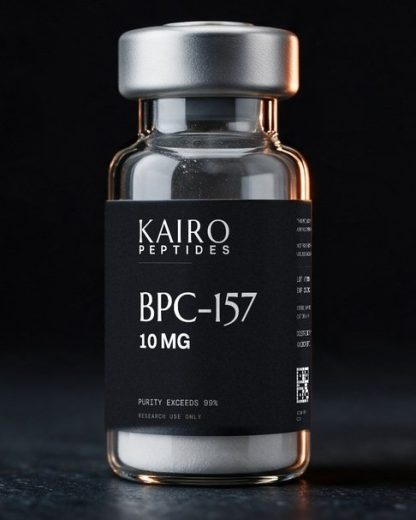
A resilient peptide, studied in research on tissue repair and the gut lining.
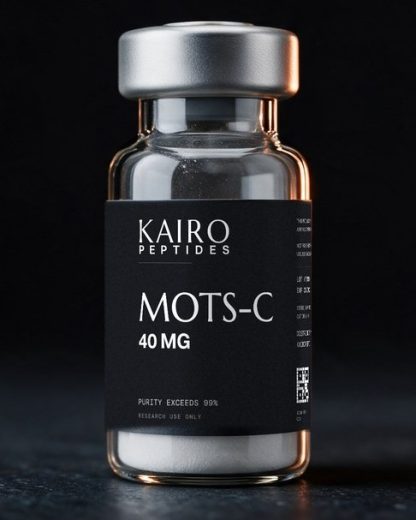
A mitochondrial peptide, studied in research on metabolism and exercise.
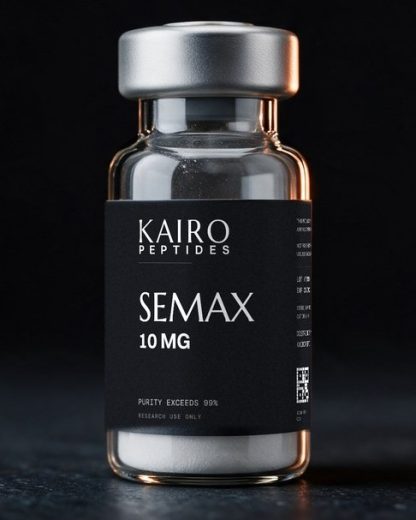
A well-known peptide, studied in research on focus and learning.